Despite growing national conversations around accessibility and inclusion, finding adaptive exercise ideas, accessible venues, and specialized kit remains a major barrier for many of the estimated 1.3 billion people living with a disability worldwide.
To address these challenges, Active Hands is championing practical strategies and adaptive technology designed to help disabled individuals maximize their local gym facilities:
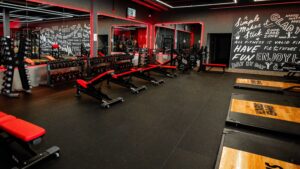
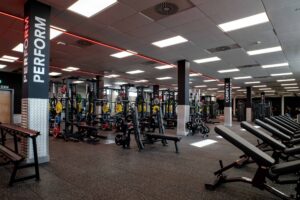
The brand encourages evaluating gym accessibility beyond standard disabled parking and restrooms, the brand emphasizes inspecting changing room facilities, lift access, floor space between equipment, and roll-away seating that allows wheelchair users to exercise without transferring.
For individuals with reduced hand function resulting from spinal cord injuries, stroke, cerebral palsy, or limb differences, specialized gear such as Active Hands’ General Purpose Gripping Aids, Hook Aids, and D-Ring Aids enables safe, independent use of standard gym equipment and cable machines.
Active Hands highlights the value of utilizing free day passes, consulting personal trainers during gym inductions to adapt machine setups, and accessing online resources like Adapt To Perform to build confidence and routines.
Rob Smith MBE, tetraplegic CEO of Active Hands and British para-athlete, notes that adapting standard high-street gym equipment can transform both physical capability and social connection.
He said: “Following a spinal cord injury 30 years ago, my gym time has improved my strength and therefore my independence, as well as creating a supportive community,” said Smith. “Many machines can be adapted to your needs. Alternate handles and attachments can be swapped, and seats can often be removed so you can use a machine directly from your wheelchair.With the right kit and support, regular gyms can be accessible and welcoming spaces.”